News
Stop Asking for Perfect Drawings Too Early
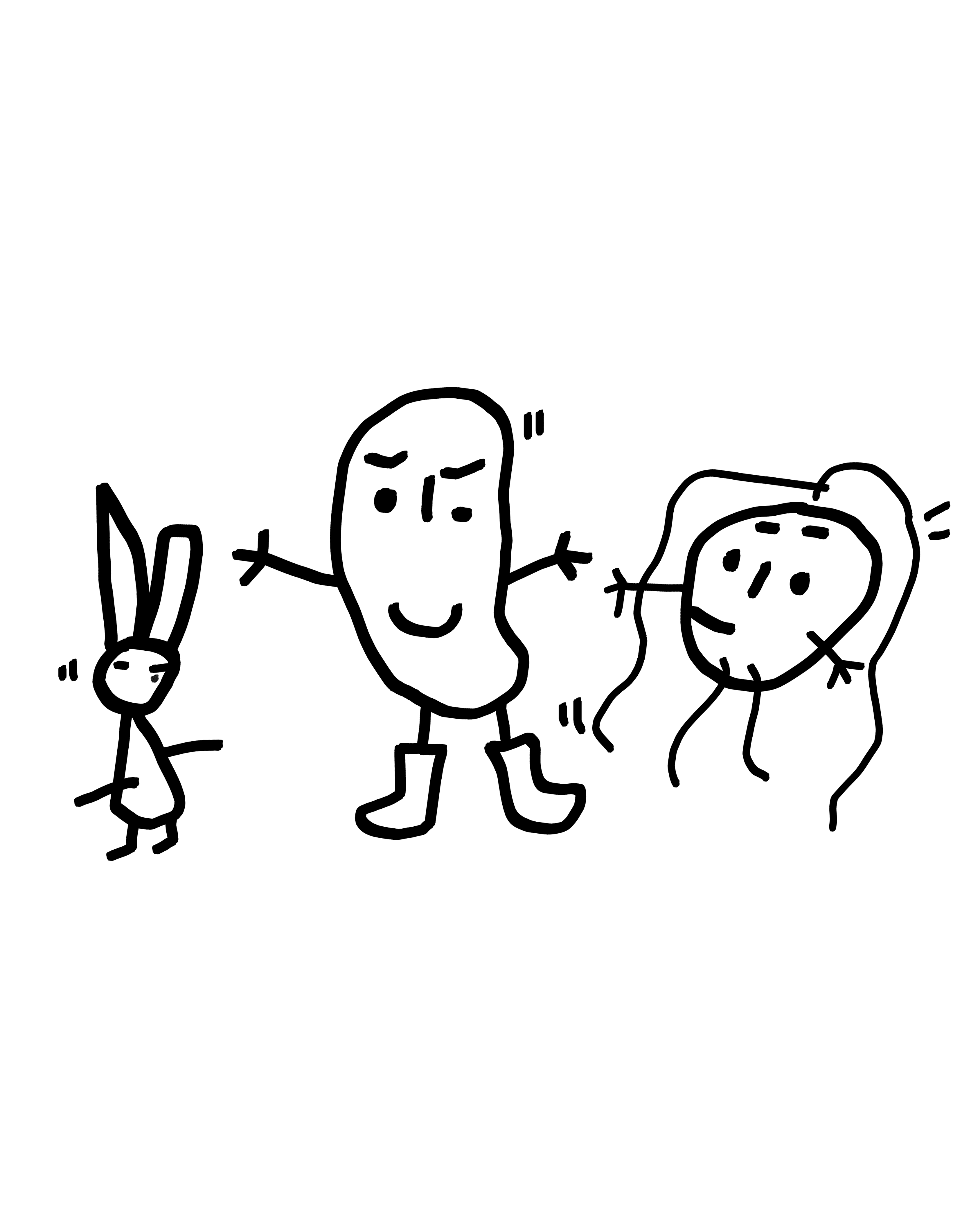
Are We Expecting “Good Drawing” Too Soon?
For many parents of 5–6 year olds, wanting to see “good drawings” is completely natural. A clear picture, neater lines, something that looks recognizable, these often feel like signs that a child is improving.
But it may be worth asking a simple question:
Are we expecting good drawings too early?
What “Not Good at Drawing” Often Really Means
When parents say, “My child can’t draw,” it usually doesn’t mean a lack of ability.
At this age, children are still learning how to observe and how to translate what they see into marks on paper.
Drawing is not only about the hand.
It begins with how they see, how they think, and how they understand the world around them.
A child who draws a person with a big head and tiny legs, repeats the same shapes, or makes simple symbols is not behind. They are in the middle of learning.
They are:
exploring shapes and symbols
trying out control and movement
expressing ideas and feelings in their own way
These are not errors to fix. They are early steps in creative development.
When Guidance Turns Into Pressure
Sometimes, in trying to help, expectations move too quickly toward “better results.”
Comments like:
“Draw it like this.”
“Copy mine.”
“That’s not right.”
“Make it nicer.”
may come from a good place, but they can quietly shift how a child feels about drawing.
Curiosity can turn into hesitation.
Enjoyment can turn into self-doubt.
Over time, some children begin to believe they are “not good at drawing,” not because they failed, but because they stopped feeling free to explore.
Why the Process Matters More Than the Outcome
At this stage, drawing is not about producing a finished artwork.
It is about experience.
Children learn through:
looking closely at real things
using their senses to understand them
experimenting without fear of being wrong
connecting what they see with what they feel
Expecting polished results too early is like asking a child to write full sentences before they’ve learned their letters. The foundation is still being built.
A Different Way to Look at Art Learning
At Noljak, the focus is not on children producing “good drawings” right away.
It is on helping them become children who notice, think, and express.
Through guided experiences, they are encouraged to:
slow down and really observe
engage with real, meaningful subjects
find their own way of representing what they see
In time, skills grow from there. But they grow on something deeper than technique alone.
Where Real Growth Begins
Before accuracy, before detail, before “good drawings,” there is something more important.
The willingness to express.
When children are given space to explore without pressure, they naturally become more curious, more observant, and more confident in what they create.
Because in the end, drawing is not only about making something look right.
It is about learning how to see the world, and feeling free enough to show it.